Sciatica vs. Leg Numbness: What’s the Difference and How Can Chiropractic Help?
- What is the difference between sciatica and leg numbness?
- What are the most common causes of sciatica and leg numbness?
- How is sciatica or unexplained leg numbness diagnosed?
- How can chiropractic care help with sciatica and leg numbness?
- How do you choose a qualified chiropractor in Santa Ana, CA?
- When do you need a different specialist or emergency care?
- What does care look like at One & Only Chiropractic in Santa Ana?
- Where can you find the research and resources cited here?
What is the difference between sciatica and leg numbness?
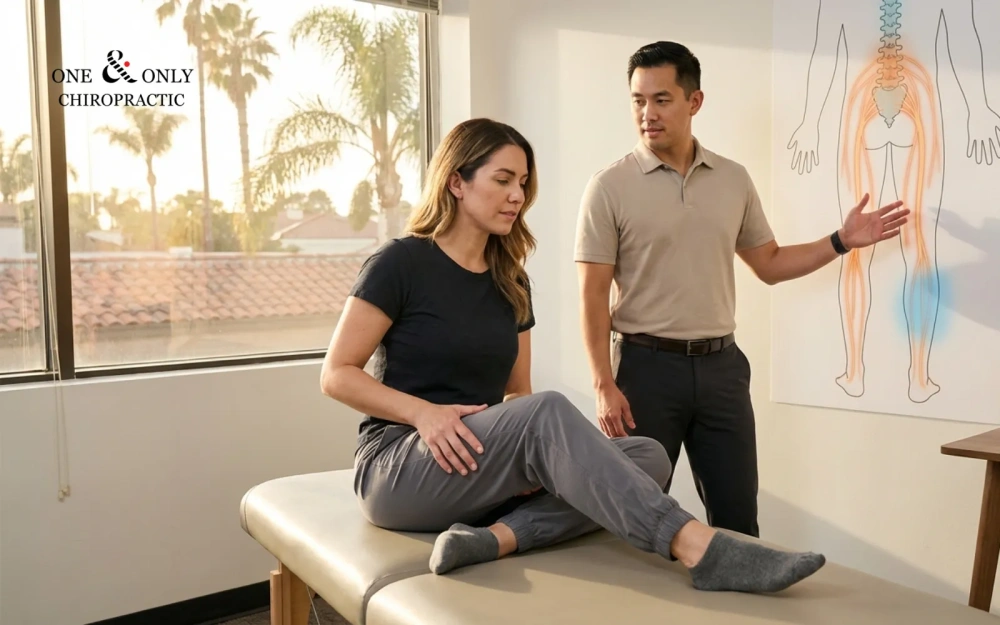
If you feel shooting pain down one leg or a lingering leg tingling that comes and goes, it is natural to wonder what is really happening. Sciatica and leg numbness are related but not the same. Sciatica usually means pain caused by irritation or compression of a lumbar spinal nerve root that contributes to the sciatic nerve. This nerve runs from your lower back through the hips and down the back of each leg [1]. When a nerve root is irritated, you may feel sharp or burning pain, electric shock sensations, tingling, or numbness that tends to follow a recognizable path from the low back into the buttock and down the leg. That pattern is often called radicular pain or radiculopathy [3].
Leg numbness is a symptom rather than a diagnosis. It can come from a pinched nerve in the spine, but it can also be caused by issues outside the spine. For example, pressure on the peroneal nerve near the knee can cause foot or toe numbness, and metabolic conditions like diabetes can damage small nerves in the feet, leading to numbness in feet and tingling in legs that is often symmetrical and worse at night [2][9]. Knowing which pattern fits your symptoms helps guide the next step toward safe and effective care.
Sciatica is common. Reviews have estimated a lifetime incidence ranging from about 13 to 40 percent and a point prevalence around 1 to 5 percent in the general population [8]. The good news is that many people improve with time and conservative care. If you live in Santa Ana, CA and you are unsure whether your symptoms are sciatica or something else, a focused evaluation can clarify what is going on and whether chiropractic care, medical care, or a combined approach fits best.
How does the sciatic nerve cause pain and tingling?
The sciatic nerve is formed from multiple nerve roots in the lower spine that join and travel through the pelvis and down the leg. When any of the contributing nerve roots are inflamed or compressed, the brain interprets signals from that nerve as pain, numbness, or weakness along the pathway the nerve serves [1][3]. Common triggers include a herniated disc that contacts a nerve root or narrowing of the spinal canal or foramen that crowds the nerve during standing or walking [1]. People often describe pain that is worse with coughing, sneezing, or prolonged sitting, along with leg tingling or a feeling of pins and needles.
What makes radiculopathy different from peripheral neuropathy?
Radiculopathy means a problem at the nerve root level, usually in the spine. Peripheral neuropathy affects nerves farther from the spine, such as those in the legs and feet. Clues that point toward radiculopathy include pain or numbness that follows a single nerve root pattern, changes in reflexes, and specific muscle weakness on one side. Peripheral neuropathy more often causes a stocking like distribution of numbness in both feet that can progress upward, sometimes with burning or loss of vibration sense [4][2]. Distinguishing radiculopathy vs neuropathy matters because the best next steps are different. For radiculopathy, addressing spinal mechanics and inflammation is a priority. For neuropathy, identifying and addressing the underlying cause, such as blood sugar issues, thyroid imbalance, or vitamin deficiency, is essential [2][9].
What symptoms suggest sciatica versus other causes of leg numbness?
Signs that point toward sciatica include
- Leg pain that is worse than back pain and travels below the knee along a consistent path [3].
- Numbness or tingling in a dermatomal pattern such as the outside of the calf or top of the foot for L5 involvement [3].
- Changes with posture such as worsening with sitting and relief with walking or lying down [1].
Signs that suggest other causes include
- Symmetric numbness in both feet, especially at night, often linked to peripheral neuropathy [2][9].
- Numbness limited to the top of the foot or between toes that worsens with crossing legs or tight boots, which may indicate a local nerve entrapment [4].
- Leg heaviness or cramping with walking that improves with rest, which can point to vascular claudication rather than a nerve issue and needs medical evaluation [5].
What are the most common causes of sciatica and leg numbness?
Sciatica most often arises from a few common structural issues in the lower spine, while leg numbness can stem from spinal or systemic sources. Understanding the likely cause helps you choose the right pathway to relief.
Could a herniated disc or spinal stenosis be responsible?
Yes. A herniated disc can press against a nearby nerve root and inflame it, producing classic sciatic nerve pain down one leg. Spinal stenosis is narrowing of the spinal canal or nerve exit tunnels and can cause pain or numbness with standing or walking that eases when sitting or bending forward [1][3]. Spondylolisthesis, where one vertebra slips forward on another, can also narrow spaces and irritate nerve roots. These conditions vary in severity, and many people improve with non surgical care that reduces irritation and restores healthy movement patterns [5].
Can systemic conditions like diabetes cause leg tingling or numbness?
Yes. Diabetes and prediabetes are leading causes of peripheral neuropathy and can cause numbness in feet and tingling in legs that begin distally and progress upward. Thyroid disorders, B vitamin deficiencies, autoimmune conditions, certain medications, and alcohol misuse can also contribute [2][9]. If your symptoms are bilateral, slowly progressive, or accompanied by other systemic signs, your care team may recommend lab testing and coordination with your primary care clinician.
Which red flag symptoms require urgent medical care immediately?
Seek emergency care or call your medical provider without delay if you notice any of the following red flags
- New or worsening bowel or bladder problems such as difficulty starting urination or loss of control [5].
- Severe or rapidly progressive leg weakness especially if it makes walking unsafe [5].
- Numbness in the groin or inner thighs known as saddle anesthesia [5].
- Fever, unexplained weight loss, or a history of cancer along with new back or leg pain [5].
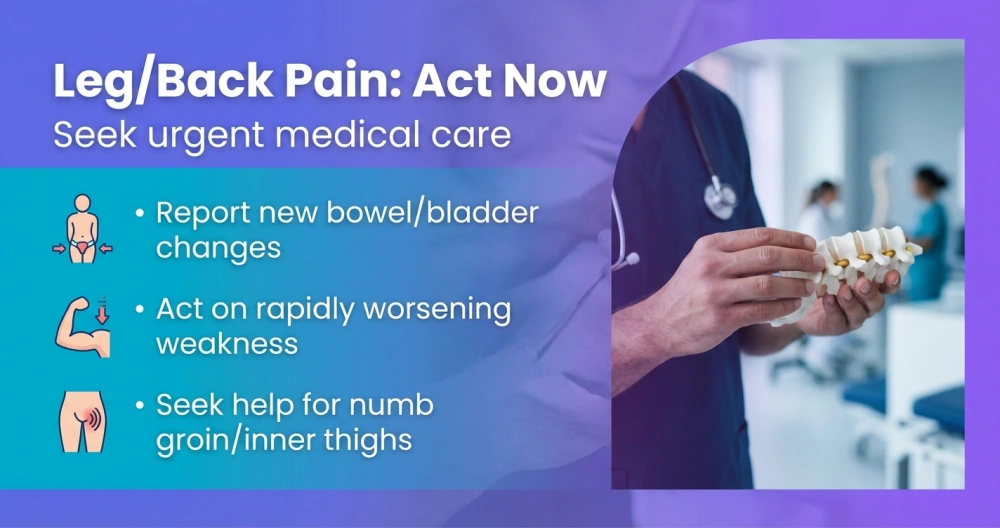
These signs can indicate a condition that needs urgent medical attention and often imaging right away [6].
How is sciatica or unexplained leg numbness diagnosed?
A careful history and targeted physical exam usually identify whether symptoms come from a nerve root or from another source. Most people with uncomplicated sciatica do not need immediate imaging. Instead, clinicians focus on signs and tests that indicate the involved nerve and guide a conservative plan [5][6].
What should you expect during a clinical exam?
Your clinician will ask about symptom timing, triggers, and patterns, then perform tests such as straight leg raise, reflex checks, strength testing, and sensory mapping to see if one nerve root pattern fits. They will also screen for red flags and for features of peripheral neuropathy. This kind of exam helps differentiate sciatica from hip joint pain, piriformis syndrome, vascular issues, and neuropathy [3][4].
When are imaging tests or nerve studies appropriate?
Imaging such as MRI is reasonable when red flags are present, when severe or progressive neurologic deficits occur, or when symptoms persist after a trial of appropriate conservative care and procedures or surgery are being considered [6]. Routine early imaging without red flags does not improve outcomes and can lead to unnecessary procedures [7]. If there is uncertainty about radiculopathy vs neuropathy, electrodiagnostic testing with nerve conduction studies and electromyography can help localize the problem and evaluate nerve function [10].
How are radiculopathy and neuropathy confirmed or ruled out?
Confirmation combines the story you tell, the exam findings, and when needed, targeted tests. For suspected radiculopathy, consistent dermatomal sensory changes, myotomal weakness, and positive nerve tension tests support the diagnosis, sometimes along with MRI findings that fit the clinical picture [3][6]. For suspected neuropathy, symmetric sensory loss beginning in the feet, reduced vibration sense, and abnormal nerve conduction findings support the diagnosis, and lab tests help identify treatable causes such as diabetes or vitamin deficiency [2][9][10].
How can chiropractic care help with sciatica and leg numbness?
Chiropractic care focuses on restoring healthy joint movement, improving soft tissue function, and reducing irritation to nerves. For people with sciatica or leg tingling related to a mechanical back or nerve root problem, a well designed plan often includes spinal manipulation or mobilization, exercise therapy, and education that keeps you active and safe. National guidelines for low back pain recommend non drug approaches including spinal manipulation, exercise, and patient education as first line options for many patients [5].
What does current evidence say about spinal manipulation and mobilization?
Systematic reviews and guidelines suggest that spinal manipulation can provide small to moderate improvements in pain and function for some people with acute or chronic low back pain, with adverse effects that are usually mild and temporary such as soreness or stiffness [5][11]. For sciatica specifically, evidence is more limited than for nonspecific low back pain, but spinal manipulative therapy appears comparable to some other recommended conservative treatments for selected patients, and it is often used as part of a broader plan that includes exercise and advice to stay active [11][12]. Individual responses vary, so your plan should be personalized and monitored for progress.
Which conservative treatments are commonly used in chiropractic clinics?
A chiropractic clinic in Santa Ana may combine techniques to address your unique findings. Common components include
- Spinal manipulation or mobilization applied to areas of restricted movement to improve joint mechanics and reduce nociceptive input [5][11].
- Flexion distraction style decompressive techniques for certain disc related presentations, aimed at reducing intradiscal pressure and improving comfort during movement [11].
- Targeted therapeutic exercise such as directional preference movements, trunk stabilization, hip and hamstring strengthening, and nerve gliding as tolerated [5][12].
- Education and activity planning to keep you moving while minimizing provocative positions and to guide graded return to usual activities [5].
- Adjunctive therapies such as gentle soft tissue treatment and neurodynamic mobilization in carefully selected cases [12].
If your symptoms fit a neuropathy pattern, your chiropractor may collaborate with your primary care clinician for lab testing or co management while providing safe movement strategies and balance exercises. The goal is to reduce discomfort, improve function, and support non surgical back pain relief with a plan that respects your diagnosis and preferences.
What home care and self management strategies may support recovery?
Self care is not a replacement for a professional evaluation, but it can complement your plan. Evidence informed strategies include
- Staying as active as symptoms allow rather than prolonged bed rest, which is linked to slower recovery [5].
- Short, frequent movement breaks from sitting, using lumbar support as needed, and experimenting with positions that ease symptoms such as gentle walking or supported reclining [5].
- Practicing safe lifting and carrying with close to body holds and hip hinge mechanics to reduce spinal strain [13].
- Trying simple nerve mobility drills when guided by your clinician, as some studies suggest neurodynamic techniques can reduce pain and improve function for selected conditions [12].
- Addressing systemic factors such as blood sugar management for those with neuropathy through coordination with your medical team [9].
Always stop any movement that causes sharp, spreading, or worrisome symptoms and ask a clinician for guidance, especially if you notice new weakness, changes in sensation, or red flag signs.
How do you choose a qualified chiropractor in Santa Ana, CA?
Finding a Santa Ana chiropractor who listens, explains findings clearly, and collaborates with your other providers can make a real difference. Look for someone who performs a thorough history and exam, uses evidence informed methods, and creates a plan tailored to your goals and diagnosis.
What training and licensure should a California chiropractor have?
In California, chiropractors must complete an accredited doctoral program, pass national board exams, and hold an active license from the California Board of Chiropractic Examiners, which regulates scope of practice, continuing education, and advertising rules to protect consumers [14]. You can verify licensure through the Board and ask about additional training in areas such as sports, prenatal, or rehabilitation. A clinic that respects state regulations and communicates transparently about expected timelines and options helps you make informed choices.
What questions can you ask during a first visit?
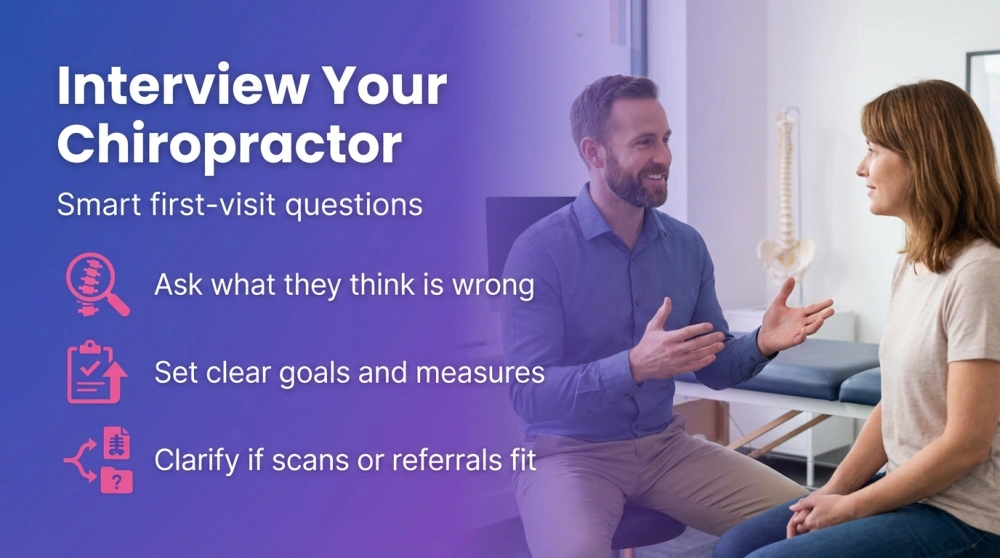
Consider asking
- What is my working diagnosis and how confident are we that this is sciatica versus another cause of leg numbness [3][4]?
- What are the goals and milestones for the first two to four weeks, and how will we measure progress [5]?
- Which treatments fit my presentation and what is the plan if I do not improve as expected [5]?
- When would imaging or a referral be appropriate based on my risk factors and response [6][7]?
Clear answers build trust and support safer sciatica treatment choices that align with your needs.
When do you need a different specialist or emergency care?
Most back and leg symptoms improve with conservative care, but some situations call for a team approach or rapid escalation. Knowing when to switch gears keeps you safe and speeds the path to the right care.
Which cases are referred to primary care, neurology, or orthopedics?
Your chiropractor may recommend referral when your symptoms suggest peripheral neuropathy that needs lab testing and medical management, when there are signs of inflammatory or systemic illness, or when persistent neurologic deficits do not respond to conservative care. Consideration of interventional pain procedures or surgical evaluation is reasonable when severe nerve root compression is confirmed and disabling symptoms persist despite appropriate non operative care [6][5]. Electrodiagnostic testing by a clinician trained in nerve studies can clarify difficult cases of radiculopathy vs neuropathy and guide next steps [10].
How are treatment plans coordinated to keep you safe?
Good care is collaborative. A chiropractor who keeps your primary care clinician informed, shares exam findings, and explains the plan helps you avoid duplicated tests and conflicting advice. National guidelines emphasize education, shared decision making, and early return to activity while reserving imaging and invasive treatments for those who truly need them [5][6][7]. If red flags emerge at any point, the plan changes quickly to prioritize urgent medical evaluation.
What does care look like at One & Only Chiropractic in Santa Ana?
At One & Only Chiropractic, our focus is personalized, evidence informed chiropractic care for people of all ages. If you are dealing with sciatica, leg numbness, or lower back pain, we start by listening to your story and mapping your symptoms. We then perform a focused exam to clarify whether your pattern fits radiculopathy or peripheral neuropathy. This helps us explain your options clearly and outline next steps you can feel confident about.
We serve Santa Ana and surrounding communities in Orange County, providing convenient access to a chiropractic clinic in Santa Ana for families, active adults, and people recovering from injuries. Our clinicians emphasize movement based care that supports your goals, whether that is walking without leg tingling, returning to work comfortably, or lifting your kids without worry.
How does our approach guide you from first visit to meaningful progress?
- Thorough evaluation and clear diagnosis We identify red flags, screen for neuropathy, and clarify whether your symptoms likely reflect a disc related radiculopathy, a local entrapment, or a systemic cause that needs co management.
- Customized, stepwise care plans We build care around the best available research and your exam findings, often blending gentle spinal manipulation or mobilization, flexion distraction, targeted exercise, and home strategies paced to your tolerance.
- Education that empowers We coach you on safe movement, sleep positions, and activity planning so you can reduce flare ups and regain confidence day by day.
- Collaboration with your medical team When blood tests, imaging, or specialist input will enhance safety or clarity, we coordinate those steps and keep everyone aligned.
- Measured outcomes and transparent timelines We set milestones for pain relief, function, and participation, and we reassess regularly so your plan stays responsive.
What experience and tools do we bring to your care?
- Years of combined clinical experience Our team has helped many people with sciatic nerve pain and leg numbness move from uncertainty to a clear plan and steady improvement.
- Evidence informed methods We incorporate techniques supported by guidelines and research for non surgical back pain relief, and we adjust the plan to your response over time [5][11].
- Practical home programs You leave each visit knowing which positions and movements to use, how to pace activity, and how to work toward long term mobility.
- Direct access to your clinician You can ask questions and share changes between visits so we can keep you on track.
If you are in Santa Ana, CA and ready to talk about sciatica treatment options or a plan for numbness in feet and tingling in legs, we would be glad to help you map a path forward. Call us at (949) 800 8525 to schedule a visit. If your situation requires urgent medical attention, we will guide you to the right setting immediately.
Where can you find the research and resources cited here?
- Sciatica Information Page – National Institute of Neurological Disorders and Stroke
- Peripheral Neuropathy Fact Sheet – National Institute of Neurological Disorders and Stroke
- Radicular Back Pain – StatPearls
- Peripheral Neuropathy – StatPearls
- Noninvasive Treatments for Acute, Subacute, and Chronic Low Back Pain – Annals of Internal Medicine
- ACR Appropriateness Criteria Low Back Pain – American College of Radiology
- Imaging for Low Back Pain – Choosing Wisely
- Sciatica Review – BMJ
- Diabetic Neuropathies – National Institute of Diabetes and Digestive and Kidney Diseases
- What is an EMG – American Association of Neuromuscular and Electrodiagnostic Medicine
- Spinal Manipulative Therapy for Chronic Low Back Pain – Cochrane Library
- Effectiveness of Neural Mobilization – Journal of Orthopaedic and Sports Physical Therapy
- Workplace Ergonomics and Safe Lifting – CDC NIOSH
- Licensure and Consumer Information – California Board of Chiropractic Examiners
About the Author