Massage Therapy Techniques Explained: Swedish, Deep Tissue and Trigger Point—Which Is Right for You?
- What should you know before choosing Swedish deep tissue or trigger point massage?
- How does Swedish massage work and when is it helpful?
- What is deep tissue massage and who might benefit?
- What is trigger point therapy and how is it different?
- How do Swedish deep tissue and trigger point compare for common concerns?
- What should you expect during your first session?
- How do you prepare and what should you tell your therapist?
- What do current studies and guidelines say about safety and effectiveness?
- How do chiropractic care and massage work together?
- What should you know about licensing scope and privacy in California?
- How do you choose the right massage type for your goals?
- What are answers to common questions about massage therapy in Santa Ana?
- Why choose One and Only Chiropractic in Santa Ana for integrative massage and chiropractic care?
- Where can you find the references for this guide?
What should you know before choosing Swedish deep tissue or trigger point massage?
If you are weighing Swedish massage, deep tissue massage, or trigger point therapy, you are not alone. Many people in Santa Ana look for practical ways to reduce stress, ease muscle tension, and move more comfortably. Each technique has a different intent and feel, and the right choice depends on your goals, health history, and comfort preferences. Evidence from national health organizations suggests that massage can help with certain types of back and neck pain, tension headaches, and stress symptoms when used appropriately and delivered by trained professionals [1] [7].
In this guide, we will explain how each technique works, what it tends to help with, what a session feels like, and how to prepare. We will also touch on how massage can pair with chiropractic care, how licensing works in California, and how to make a confident choice that fits your needs in Santa Ana CA.
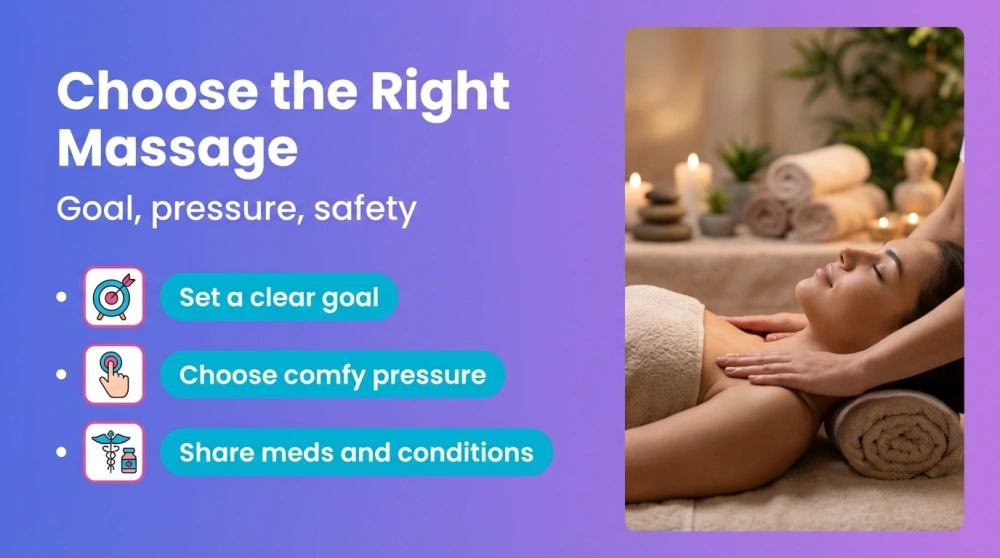
- Goal first Choose a style based on your primary goal such as stress reduction, muscle tension relief, pain relief, or sports recovery.
- Pressure preference Some people relax with gentle flowing strokes. Others prefer focused, deeper work on specific problem spots.
- Comfort and safety Open communication with a licensed massage therapist helps tailor pressure and techniques to your comfort and medical needs [1] [9].
- Evidence informed care Certain guidelines recommend massage as an option for low back pain and neck complaints in appropriate cases [2] [4].
How does Swedish massage work and when is it helpful?
Swedish massage is often the starting point for people new to bodywork. It uses flowing strokes, kneading, gentle stretching, and rhythmic tapping to relax the nervous system and warm the tissues. The pressure usually ranges from light to moderate. Sessions often cover the whole body, with extra time on areas that feel tense, such as the neck and back.
What are the core techniques used in Swedish massage?
- Gliding strokes Long, soothing strokes help calm the nervous system and move fluids in the soft tissues.
- Kneading and lifting Gentle kneading softens muscle tone and can ease that stiff, achy feeling.
- Friction and tapping Light friction warms tight spots and rhythmic tapping can stimulate circulation.
- Passive range of motion Gentle joint movements and stretches promote relaxation and mobility.
When might Swedish massage be a good fit?
- Stress reduction If you feel wired, tired, or overwhelmed, the calming rhythm of Swedish work may help you reset and sleep better [1].
- General muscle tightness If your main complaint is overall stiffness from a desk job or daily life, light to moderate pressure can be soothing.
- First time massage If you are new to massage or sensitive to deeper pressure, Swedish is a comfortable introduction.
What does the research say about Swedish massage?
Massage therapy can reduce short term pain and improve function for some back and neck problems, and it may lessen stress related symptoms for many people [1] [7]. Professional guidelines for low back pain include massage among the nonpharmacologic options to consider, alongside movement based therapies and spinal manipulation, especially when pain persists beyond a few weeks [2].
What is deep tissue massage and who might benefit?
Deep tissue massage uses slower, more deliberate strokes and sustained pressure to address stubborn areas of tightness and adhesions in the deeper layers of muscle and connective tissue. It is not about brute force. The best sessions balance depth with patient feedback so you can breathe, relax, and release tension without guarding.
Who might consider deep tissue massage?
- Chronic muscle tightness If you carry long standing tension through the upper back, hips, or calves, deeper work may reach where lighter strokes do not.
- Sports recovery Athletes often use deeper work between training cycles to address tissue restrictions and help with recovery from delayed onset muscle soreness [3].
- Postural strain Repetitive strain from prolonged sitting or physical work may respond to targeted depth as part of a broader plan that includes movement and ergonomics.
What should you expect during deep tissue massage?
- Slower pace The therapist may sink in gradually, allowing your tissues to adapt to pressure.
- Communication You should feel therapeutic intensity without sharp or breath holding pain. Speak up so pressure can be adjusted.
- Next day soreness Mild soreness can happen, similar to a workout, but it should fade within a day or two. Adequate hydration and light movement can help.
What does the research say about deeper massage approaches?
Evidence suggests massage can improve short term pain and function in some musculoskeletal conditions. For athletes, massage has been shown to reduce inflammatory signaling and support muscle recovery after strenuous exercise in laboratory settings [3]. For persistent back and neck pain, professional guidelines list massage as a reasonable option when combined with education and activity strategies [2] [4].
What is trigger point therapy and how is it different?
Trigger point therapy focuses on small, irritable spots in muscle and fascia that can feel like tender knots. Pressing on a trigger point can reproduce familiar pain patterns and may cause a twitch or a referral sensation. The therapist applies gentle to firm pressure and holds until the tissue softens. This is often combined with stretching and slow breathing.
How are trigger points identified and treated?
- Palpation Your therapist feels for taut bands and tender spots that reproduce your symptoms.
- Sustained pressure Gentle sustained pressure or slow circular work helps the area release while you breathe and relax.
- Stretch and move Follow up stretching or guided movement helps the change last longer.
When might trigger point therapy be appropriate?
- Tension type headaches Trigger points in the neck and shoulder muscles can contribute to head and face pain in some people [7].
- Localized muscle pain When pain feels focused and achy in one region, targeted work can help turn down sensitivity.
- Postural strain and overuse Repeated use and stress can activate trigger points that benefit from focused manual release and movement education.
What does the research say about trigger points and myofascial pain?
Myofascial pain is characterized by trigger points and referred pain patterns. Reviews note that manual therapies, including pressure release and stretching, are commonly used and may improve pain and function for some patients when applied by trained clinicians as part of a comprehensive plan [5]. For neck pain, clinical practice guidelines recommend a combination of manual therapy and exercise for best outcomes, which can include soft tissue techniques directed at trigger points [4].
How do Swedish deep tissue and trigger point compare for common concerns?
Which technique is most suited for stress reduction and relaxation?
- Swedish massage Best starting point for general relaxation and nervous system downshifting. It often supports better sleep and calm [1].
- Deep tissue Relaxing for those who prefer strong pressure, though it is more therapeutic than spa like.
- Trigger point therapy Useful when specific painful spots are limiting relaxation. Pressure is focused and may feel intense but relieving.
What if your main goal is muscle tension relief or pain relief?
- Deep tissue massage Targets thick or stubborn tension in larger muscle groups such as glutes, thighs, and upper back.
- Trigger point therapy Addresses small but potent hotspots that refer pain into the neck and back or around the shoulder blades [5].
- Swedish massage Calms global tightness and may reduce soreness that comes from general stress.
How about headaches neck pain sciatica and posture improvement?
- Headaches Gentle to moderate pressure with targeted trigger point work in the neck and shoulders may help with tension type headaches for some people [7].
- Neck and back pain Guidelines support manual therapy approaches, including massage, for nonspecific neck and back pain when combined with activity and education [2] [4].
- Sciatica like leg pain Massage may ease related muscle guarding and stress. Your provider should screen for nerve symptoms and guide when referral is appropriate [2].
- Posture improvement Massage can make movement and mobility work easier by reducing stiffness. Real posture change happens with awareness and practice, which your care team can coach.
What if you are focused on athletic performance and recovery?
- Sports recovery Post training massage can reduce perceived soreness and modulate inflammatory signaling, supporting recovery alongside sleep, nutrition, and smart programming [3].
- Maintenance care A mix of deep tissue for thicker muscles and trigger point release near stiff joints can keep you moving well between events.
What should you expect during your first session?
Whether you book massage therapy Santa Ana for the first time or you are returning after a break, knowing what to expect can help you relax and get the most from your visit.
How does the intake and consent process work?
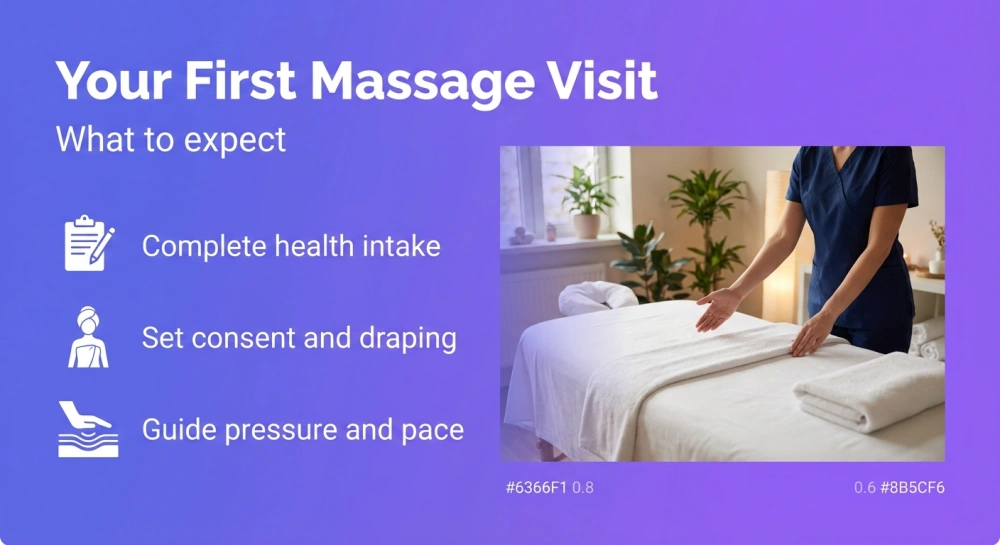
- Health history You will complete an intake form that includes your goals, medical conditions, surgeries, medications, and allergies.
- Informed consent Your therapist explains the plan, techniques, and pressure options. You agree to proceed and can change your mind at any time.
- Privacy and draping Only the area being worked on is uncovered. Your comfort and modesty are always prioritized.
What happens during the massage itself?
- Communication You control pressure and pace. Say if anything is too much so the therapist can adjust.
- Breathing and feedback Slow breathing and occasional feedback help the body release tension more easily.
- Customized plan The session focuses on your goals such as stress calming, neck and back pain, or sports recovery.
What can you expect after the session?
- Short term effects Many people feel lighter and more relaxed. Mild soreness can occur, especially after deeper work, and should resolve quickly.
- Self care tips Light movement, gentle stretching, and hydration can support recovery and lasting benefits.
- Next steps Your therapist may suggest a follow up plan that fits your schedule and goals without pressure to overbook.
How do you prepare and what should you tell your therapist?
Good preparation makes sessions smooth and safe. Clear intake helps your licensed massage therapist tailor pressure, positioning, and techniques.
What health information should you share before the session?
- Medical conditions Share any heart or vascular issues, cancer treatment, osteoporosis, pregnancy, diabetes, or nerve symptoms.
- Medications Blood thinners and certain pain medications may influence pressure choices and session planning [1].
- Recent injuries or surgeries Healing timelines affect what is safe. Your therapist can coordinate with your clinician as needed.
- Allergies and sensitivities Tell us about any sensitivities to lotions, oils, or scents.
What comfort preferences matter during the session?
- Pressure scale Use a simple one to ten scale to guide depth. Most therapeutic work lands comfortably between four and seven.
- Positioning Pillows and bolsters can ease pressure on the lower back, hips, and shoulders. Side lying is an option for comfort.
- Focus areas Point out the exact spots that bother you and any pain that travels or tingles.
What do current studies and guidelines say about safety and effectiveness?
Massage is widely used for stress reduction and musculoskeletal pain, and several authoritative sources outline benefits and limits.
What does the evidence say about back and neck pain?
- Back pain guidelines The American College of Physicians recommends considering massage as a nonpharmacologic option for acute and chronic low back pain, with a focus on staying active and using self management strategies [2].
- Neck pain guidance Clinical practice guidelines for neck pain favor manual therapy combined with exercise for best outcomes, which may include massage as part of the plan [4].
How does massage affect stress and recovery?
- Stress response Massage can activate relaxation responses, reduce perceived stress, and improve sleep quality for many patients [1].
- Exercise recovery Laboratory studies show massage may reduce inflammatory signaling and muscle soreness after intense exercise [3].
What about safety considerations and when to seek medical advice?
- General safety Massage is generally safe when performed by trained professionals and when care is tailored to the individual [1] [9].
- Special populations If you are pregnant, on blood thinners, have uncontrolled blood pressure, fragile bones, or have cancer related care needs, consult your clinician before deep or focused work [1].
- Red flags New weakness, numbness, severe unexplained pain, or bowel and bladder changes should be evaluated by a medical professional before massage.
How do chiropractic care and massage work together?
Massage and chiropractic care can complement each other. Massage can reduce guarding and soften muscle tone, which may make joints easier to mobilize. Chiropractic adjustments and movement strategies can then help restore mechanics and support long term change. In an integrated setting, your chiropractor Santa Ana and your licensed massage therapist can coordinate around your goals, focusing on education, safe progressions, and home strategies that extend your results [6] [4].
Which plan works best when combining these services?
- Start with goals Choose one to two top goals such as sitting without pain for a full workday or returning to a favorite activity.
- Sequence wisely Gentle massage may precede mobility work on days when tissues feel guarded. On other days, movement can come first followed by targeted soft tissue work.
- Reassess often Short check ins help decide when to shift between Swedish, deeper work, or trigger point focus.
What should you know about licensing scope and privacy in California?
Working with qualified professionals protects your safety and your results. In California, both chiropractic and massage have specific regulations.
How are chiropractors regulated in California?
- Licensing Chiropractors are licensed by the California Board of Chiropractic Examiners, a state regulatory agency that oversees licensing, consumer protection, and standards of practice [10].
- Scope and coordination Chiropractors assess and manage neuromusculoskeletal conditions, refer when appropriate, and coordinate with other providers when needed [10].
How is massage therapy regulated in California?
- Certification Massage therapists may hold certification through the California Massage Therapy Council, which sets education and background standards and works with local jurisdictions [11].
- Local rules Cities and counties may have additional business or facility requirements for massage services. Clients can ask providers about certifications and local compliance [11].
How is your health information protected?
- Privacy Health care providers follow federal privacy rules under the Health Insurance Portability and Accountability Act. You can ask how your information is stored, used, and shared [12].
How do you choose the right massage type for your goals?
Your decision should align with your main outcomes, pressure preference, and any health factors. Here is a simple way to decide.
What if your top goal is relaxation and stress relief?
- Try Swedish first Begin with light to moderate pressure full body work to downshift stress responses.
- Add focus Ask for extra time on common stress zones like the neck, jaw muscles, and shoulders.
What if you want targeted pain relief or relief from chronic pain?
- Blend deep and focused work Combine deep tissue for thick, guarded areas with trigger point therapy for specific hotspots.
- Pair with movement Follow up with gentle mobility and strengthening suggested by your care team for lasting results [4].
What if you are returning to sport or training?
- Schedule around workouts Book lighter work closer to events and deeper sessions farther from peak training days.
- Monitor response Track soreness and performance so your plan stays supportive and not disruptive [3].
What if you live in Orange County and need convenient access?
- Consider location Look for a wellness clinic Santa Ana that offers both massage and chiropractic so your plan is coordinated.
- Check credentials Verify state licensure for chiropractors and certification for massage therapists through their respective boards [10] [11].
What are answers to common questions about massage therapy in Santa Ana?
How often should you get Swedish deep tissue or trigger point sessions?
Frequency depends on your goals and response. For stress management, many people find value in sessions every two to four weeks. For active pain or injury rehabilitation, weekly sessions for a short period may help, then tapering as symptoms improve. Your therapist can coordinate with your broader plan.
Can massage therapy help with sciatica or nerve pain?
Massage does not treat nerve compression directly, but it can reduce surrounding muscle guarding and discomfort. If you have leg pain with numbness, weakness, or changes in bowel or bladder, seek medical evaluation before massage. Your therapist can work as part of your care team once serious conditions are ruled out [2].
Is deep tissue safe if you bruise easily or take blood thinners?
Deeper pressure may need to be modified. Tell your therapist about medications or a bleeding tendency so techniques can be adapted. When in doubt, consult your clinician first [1].
What is the difference between trigger point therapy and myofascial release?
Trigger point therapy targets specific tender nodules in a taut band of muscle with sustained pressure. Myofascial release uses gentle, sustained holds and stretch across broader fascial planes to reduce stiffness and improve glide in the tissues. Both approaches can be combined depending on your presentation [5].
Can you combine massage with chiropractic on the same day?
Yes, many patients do. A common sequence is light massage before an adjustment to reduce guarding, or targeted soft tissue work after to reinforce mobility gains. The order can be customized to your comfort and goals [6].
What should you wear to your appointment?
Wear comfortable clothing and plan to remove items as appropriate for the session type. Your privacy is always protected with professional draping. For sports focused work, you may remain partially clothed to allow movement and testing.
Can massage therapy reduce headache frequency?
For tension type headaches, soft tissue techniques in the neck and shoulders may reduce frequency and intensity for some individuals. Evidence supports nonpharmacologic approaches as part of a comprehensive plan that can include massage, posture strategies, and stress management [7].
What if you prefer a gentle session but still need pain relief?
Gentle does not mean ineffective. Swedish techniques can be combined with very light targeted pressure and breath based relaxation to support pain relief without heavy pressure. Clear communication is the key to success.
How do you find a licensed massage therapist in Santa Ana CA?
Ask about certification status, training hours, and continuing education. You can verify chiropractic licensure through the California Board of Chiropractic Examiners and ask massage providers about certification through the California Massage Therapy Council [10] [11].
Why choose One and Only Chiropractic in Santa Ana for integrative massage and chiropractic care?
At OneAndOnlyChiro, we serve Santa Ana and the surrounding Orange County community with a patient centered approach that blends chiropractic massage with evidence informed manual therapy and movement. Our focus is to help you feel and function better with care plans that are clear, collaborative, and tailored to your goals.
How do our services relate to Swedish deep tissue and trigger point therapy?
- Integrated options We offer Swedish for relaxation, deep tissue for stubborn tightness, and trigger point work for focused pain, delivered by qualified professionals who communicate with your chiropractor when appropriate.
- Clinically guided Your plan reflects current guidance for neck and back pain, headache, and stress management, while honoring your pressure preferences and daily routine [2] [4].
- Stepwise progress We match techniques to your stage of recovery, adjusting intensity as your mobility and comfort improve.
Where do we operate and how do we support access?
- Local access We are based in Santa Ana CA and welcome patients from across Orange County for convenient, coordinated care.
- Flexible scheduling We aim to offer appointment options that fit work and family schedules without long waitlists.
What is our unique approach and methodology?
- Listen first We begin with a focused conversation to understand your story, goals, and daily demands.
- Test and tailor We use movement screens and palpation to guide technique choice and session focus.
- Teach and empower We add simple home strategies so your results last between visits.
Do we use any proprietary tools or processes?
- Clinical pathways Our team follows structured progressions for common presentations such as neck and back pain, headaches, and sports recovery. These pathways help us deliver consistent quality while customizing to each person.
- Outcome tracking We monitor pain levels, function, and patient reported goals to adjust care promptly and transparently.
How do leadership and experience shape your care?
- Interdisciplinary training Our chiropractors and massage therapists pursue continuing education in manual therapy, movement, and patient communication to keep care aligned with current best practices.
- Team coordination Regular case reviews help align massage sessions with chiropractic care plans when both are part of your program.
What does personalized service look like with direct access to professionals?
- Direct communication You can share feedback in session and through follow up so adjustments are made quickly.
- Comfort first Pressure, positioning, and pacing are set around your comfort and consent. You lead the way at every step.
Can we share examples of how patients benefit from integrated care?
- Desk related neck pain A patient with recurring neck and shoulder tightness blended Swedish for relaxation with targeted trigger point work and simple movement breaks. Within several weeks they reported easier computer work and better sleep.
- Post race recovery An endurance athlete paired light Swedish the day after an event with deeper work in the weeks that followed. They noted less soreness and smoother return to training [3].
How do you take the next step with OneAndOnlyChiro?
- Call our team Reach us at 949 800 8525 to ask questions or schedule a visit. We are happy to help you decide whether Swedish, deep tissue, or trigger point focus is the right starting point.
- Start with a clear plan We will review your goals and set a simple plan that fits your schedule and comfort level, with options to integrate chiropractic care when useful.
Where can you find the references for this guide?
- Massage Therapy What You Need To Know – National Center for Complementary and Integrative Health
- ACP issues guideline for treating nonradicular low back pain – American College of Physicians
- Massage therapy attenuates inflammatory signaling after exercise induced muscle damage – PubMed
- Neck Pain Revision Clinical Practice Guidelines 2017 – Journal of Orthopaedic and Sports Physical Therapy via PubMed
- Myofascial Pain Syndrome – StatPearls – NCBI Bookshelf
- Spinal Manipulation What You Need To Know – National Center for Complementary and Integrative Health
- Headaches and Complementary Health Approaches Clinician Summary – National Center for Complementary and Integrative Health
- Low Back Pain and Complementary Health Approaches Clinician Summary – National Center for Complementary and Integrative Health
- Massage Therapy – MedlinePlus
- California Board of Chiropractic Examiners – State of California
- California Massage Therapy Council – CAMTC
- Health Information Privacy HIPAA – U.S. Department of Health and Human Services
About the Author