Experience Ultimate Relaxation with Zero Gravity Massage – Book Your Escape from Back Pain Now
- What is zero gravity massage and how does it work?
- How does zero gravity positioning help reduce back pain and muscle tension?
- What does current research say about massage for back pain and stress?
- Which conditions may benefit from zero gravity massage?
- How does zero gravity massage support posture and circulation?
- How does zero gravity massage complement chiropractic care?
- What should you expect during a zero gravity massage session?
- Is zero gravity massage right for you and are there precautions?
- How often should you schedule sessions for back pain relief?
- What regulations apply to chiropractic and massage services in California?
- How can you choose between chair based zero gravity massage and table based massage?
- How can you extend the benefits at home safely?
- Why choose OneAndOnlyChiro in Santa Ana for zero gravity massage and chiropractic care?
What is zero gravity massage and how does it work?
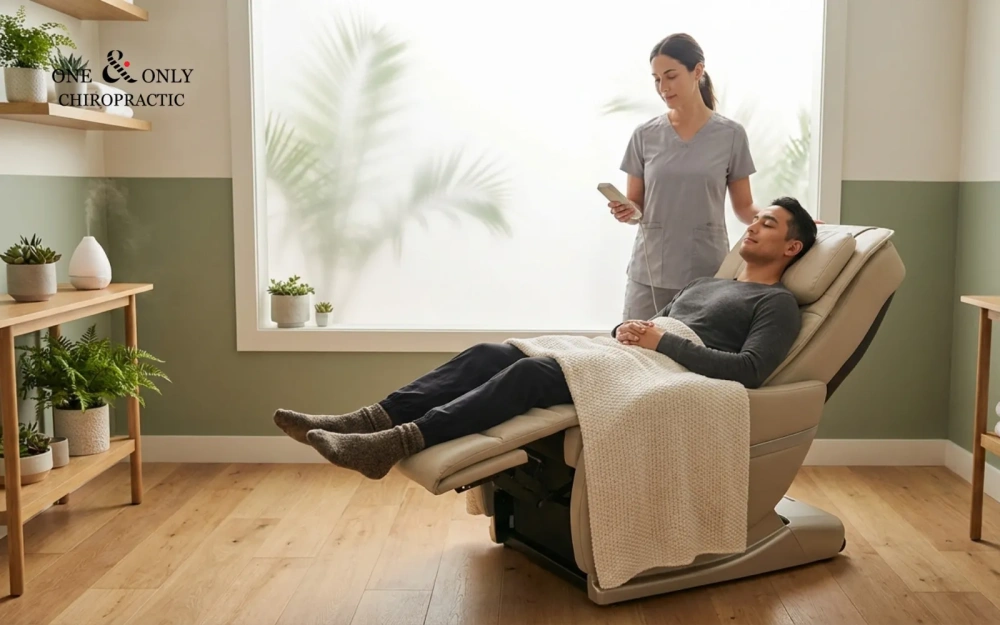
Zero gravity massage combines therapeutic massage with a reclined body position that mimics the neutral body posture astronauts adopt in microgravity. In this position, your knees and hips are gently flexed and your torso is slightly reclined so your weight distributes more evenly across the chair. This neutral position aims to reduce pressure on the spine and supporting muscles, setting the stage for back pain relief and full body relaxation [1].
Modern massage chair therapy systems use rollers, air compression, heat, and vibration to deliver consistent, repeatable techniques along the spine, neck, shoulders, and hips. When your body is supported in a zero gravity position, those techniques can feel deeper yet more comfortable because the soft tissues are not bracing against gravity as much. For many people, that means less guarding, fewer trigger points resisting the pressure, and a smoother path to muscle tension relief.
How is zero gravity positioning different from a regular recliner or flat table?
Unlike lying flat, the neutral body posture uses a gentle recline with the legs elevated to help align the head, torso, pelvis, and lower extremities. This positioning reduces the relative load on the lumbar discs and surrounding ligaments compared with upright sitting. Ergonomic and biomechanical research has shown that intradiscal pressure tends to be lower during supported reclining compared with unsupported sitting, which may explain why many back pain sufferers feel relief in this setup [2]. The design goal is comfort with support, not simply a deeper chair angle.
Why is this approach appealing for people with back pain?
Back pain often involves irritated joints, fatigued stabilizing muscles, and overactive protective reflexes. Placing the body in a supportive neutral posture may allow these structures to calm while massage techniques stimulate local circulation and modulate pain signals. While experiences vary, people commonly report an easier time relaxing their lower back, neck, and shoulders in the zero gravity position, which can pave the way for meaningful stress reduction and therapeutic massage effects [3][4].
How does zero gravity positioning help reduce back pain and muscle tension?
Think of zero gravity posture as a way to take load off the spine while still supporting natural curves. When you recline with thoughtful support under the head, lumbar area, and legs, the muscles that usually fight gravity can rest. Several mechanisms may contribute to the relief people notice.
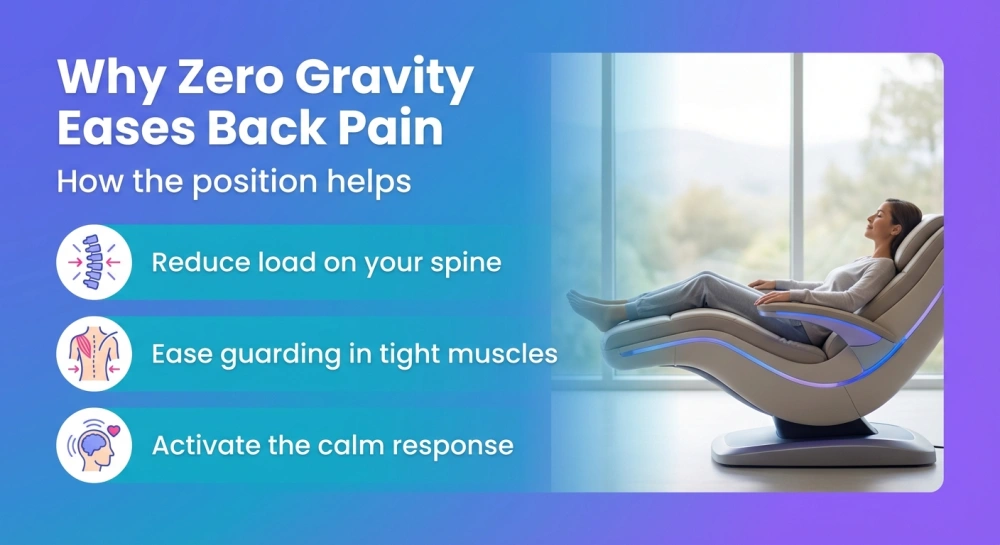
- Reduced spinal loading Gentle reclining with leg elevation can decrease compressive forces on the lumbar discs compared with upright sitting, which may reduce mechanical irritation and allow paraspinal muscles to release [2].
- More even pressure distribution With weight spread across a larger surface, localized hotspots at the sacrum and thoracolumbar junction are less likely to become sore during longer sessions [1].
- Decreased muscle guarding Supportive positioning can lower the need for constant low back and neck stabilization, helping trigger points soften in response to consistent pressure from the massage chair [4].
- Improved relaxation response Massage can activate parasympathetic pathways associated with calm and recovery, which may help downshift stress related muscle tension [3][5].
Can this positioning help the neck and shoulders release more easily?
Yes. When the thoracic spine and head are supported, the upper trapezius and levator scapulae do not need to hold the head up against gravity. That support, paired with targeted massage around the shoulder girdle, often makes it easier to address neck and shoulder tension without provoking guarding. Many of our Santa Ana patients report that they can finally let their shoulders sink and breathe more comfortably once the chair settles into the neutral position.
Does zero gravity positioning change how you breathe during a session?
The neutral body posture often opens the rib cage angle and encourages diaphragmatic breathing. Slower, deeper breathing can reinforce relaxation and may further reduce perceived pain through central modulation pathways, a concept supported in pain science and complementary health research [3].
What does current research say about massage for back pain and stress?
Massage has been studied as a nonpharmacologic option for acute and chronic low back pain. Evidence summaries suggest it can offer short term improvements in pain and function for some individuals, especially as part of a broader plan that includes movement and self care. While results vary and no single therapy works for everyone, major guidelines and reviews recognize massage as a reasonable option to try for back pain management [3][4].
What do clinical guidelines recommend for low back pain?
The American College of Physicians guideline recommends noninvasive and nonpharmacologic options as first line care for most low back pain presentations, including therapeutic massage among other approaches. The guideline encourages shared decision making and regular reassessment to track benefit and adjust the plan as needed [3]. The Agency for Healthcare Research and Quality has similarly reviewed noninvasive therapies and highlights the value of multimodal care tailored to the person [6].
Are there randomized trials supporting massage for chronic low back pain?
Randomized controlled trials have reported improvements in pain and function for some patients with chronic low back pain receiving massage compared with usual care or education. One well known study found that both structural and relaxation massage produced better short term outcomes than usual care in adults with chronic low back pain, though effects tended to diminish over time without ongoing care [7].
Can massage influence stress and the overall sense of well being?
Research and public health guidance note that managing stress can be an important part of overall health. Massage is often used to encourage relaxation and may help reduce perceived stress for some people. Techniques that promote parasympathetic activity and calmer breathing can support coping strategies recommended by public health agencies for stress management [5][3].
Which conditions may benefit from zero gravity massage?
Zero gravity massage focuses on comfort and support, making it appealing for several common concerns. As always, discuss your specific situation with a qualified clinician to decide if this approach fits your needs.
- Mechanical low back pain People with back pain related to posture, muscle tension, or non specific strain often appreciate the gentle unloading that the neutral position provides [2].
- Neck and shoulder tension Supported reclining reduces the need to brace the head and shoulders, which may make soft tissue work more comfortable.
- Sciatic discomfort While true sciatica requires clinical assessment, the combination of leg support, pelvic positioning, and gentle massage can feel soothing for some individuals when used within a clinician guided plan.
- Stress related tightness A calm environment with focused breathing and rhythmic pressure can help ease the nervous system response associated with stress [5].
- Posture related fatigue People who sit for long periods may find that balanced reclining with lumbar and thoracic support offers a helpful change of load across the day [2].
Could this approach help after activity or desk work?
Yes. After long meetings, commutes, or workouts, many people notice cumulative tightness in the hip flexors, lumbar extensors, and upper back. Zero gravity massage can serve as a reset, letting the body find a more neutral alignment while consistent massage techniques address common trigger zones. This can complement daily mobility and strengthening plans recommended by your clinician.
Does it replace medical care when pain is severe or persistent?
No. Severe, worsening, or persistent pain should be evaluated by a qualified professional. Zero gravity massage is not a replacement for medical diagnosis or emergency care. It is best viewed as a supportive modality within a comprehensive plan that may include chiropractic care, physical therapy, exercise, and lifestyle strategies based on your history and goals.
How does zero gravity massage support posture and circulation?
Posture support and circulation are frequent questions when people explore zero gravity massage. While individual responses differ, there are several reasons this setup can feel restorative.
- Aligned support points Strategic cushioning behind the lumbar spine, thorax, and head encourages a balanced curve that takes strain off the lower back and neck [2].
- Leg elevation benefits Elevating the legs can help move fluid from the lower extremities toward the core, which may assist with temporary swelling and comfort in some cases [8].
- Rhythmic compression and release Air cell compression patterns in many chairs create a gentle pumping effect that some people find soothing in the calves and thighs, complementing the spinal work from rollers and heat [3].
Is there evidence that reclining changes spinal pressures compared with sitting?
Classic intradiscal pressure research suggests that supported reclining tends to lower disc pressure relative to unsupported sitting, which may be one reason many people with back pain prefer reclined positions for rest [2].
Could the position help with breathing mechanics and rib cage mobility?
With the chest gently open and the diaphragm unencumbered by slumped sitting, many people find it easier to take fuller breaths. This can enhance the relaxation response that massage is known to promote for some individuals [3].
How does zero gravity massage complement chiropractic care?
Massage and chiropractic care often work well together. Massage can prepare soft tissues by easing muscle tone and encouraging relaxation, which may help follow up manual therapies feel more comfortable. Conversely, after an adjustment or mobilization, massage can reinforce balanced muscle activity, helping you leave the visit feeling integrated and calm.
What is a sensible order when combining these services?
There is no single correct sequence for everyone. Many people prefer zero gravity massage first to reduce guarding, followed by chiropractic assessment and treatment. Others choose to have massage afterward to settle the system and promote a relaxed rest of the day. Your Santa Ana chiropractor can help tailor the order based on your goals, exam findings, and how your body responds over time.
How does this fit into guideline informed care for back pain?
Guidelines encourage a stepwise, nonpharmacologic approach where clinicians and patients select options that align with preferences and responses. Zero gravity massage can be one of those options, especially for people seeking stress reduction and muscle tension relief within a broader plan that includes active movement and education [3][6].
What should you expect during a zero gravity massage session?
When you arrive for your session in Santa Ana, CA, your provider will review any recent changes in your symptoms and confirm comfort preferences. You will then settle into the chair, and we will adjust settings to support your spine and hips comfortably. The goal is to help you feel secure, not pinned in place.
What does a typical session include?
- Position check We confirm that your head, lumbar spine, and legs feel supported and that there is no undue pressure behind the knees.
- Technique selection Depending on your goals, the program may focus on the low back and hips, the mid back and shoulders, or a full body routine.
- Heat and compression Gentle warmth and air compression can be added to encourage relaxation and a soothing rhythm.
- Breathing guidance Slow nasal breathing and longer exhales can help release tension and enhance comfort throughout the massage.
- Reassessment After the session, we check how you feel standing and walking and adjust future sessions accordingly.
What if I am sensitive to pressure or have tender trigger points?
We can dial pressure down and emphasize broader strokes, heat, and gentle compression. Communication is key. You remain in control of intensity at all times so the experience stays restorative and never overwhelming.
Can you target neck and shoulder tension in this setup?
Yes. Many programs emphasize the cervical and thoracic regions with slow, progressive work along the paraspinals and shoulder blades. Because your head is supported, it is often easier to access stubborn areas without causing you to tense up.
Is zero gravity massage right for you and are there precautions?
Zero gravity massage is designed to be gentle and supportive, yet it is not right for everyone. We always screen for red flags and individual contraindications. Please consult your healthcare professional if you are unsure.
Who might need extra caution or prior clearance?
- People with severe osteoporosis or acute fractures Direct pressure may not be appropriate without clinician guidance.
- Individuals with progressive neurologic symptoms New weakness, numbness, or changes in bowel or bladder function require prompt medical evaluation.
- Those with uncontrolled cardiovascular conditions Certain features like intense heat or strong compression may not be advised until conditions are stable.
- People with active infections or open wounds Massage over affected areas should be avoided until cleared.
- Pregnancy considerations Many people enjoy gentle seated or side lying massage during pregnancy, but settings and positions should be adapted in consultation with your clinician.
How do we keep sessions safe and comfortable?
We start with a thorough intake, adjust settings conservatively, and monitor your comfort. You can stop the session at any time. If anything ever feels off, we pause and reassess. Your safety and comfort lead the way.
How often should you schedule sessions for back pain relief?
Frequency depends on your goals, symptoms, and schedule. People in an acute flare may start with shorter, more frequent sessions during the first one to two weeks, while those managing chronic tension often benefit from steady weekly or biweekly care for a period, followed by maintenance as needed.
What is a reasonable starting point for many adults?
A common starting plan is one to two sessions per week for several weeks while you also engage in a home program of gentle mobility and walking. As your comfort improves, you can taper to every other week or monthly based on how you feel. Your provider will reassess with you and make adjustments grounded in your progress and preferences.
Can you combine shorter chair sessions with periodic longer visits?
Yes. Some people appreciate brief zero gravity massage sessions on busy weekdays and reserve longer integrated appointments that include chiropractic care, movement coaching, or self care updates on a weekend. Consistency is more important than any single session length.
What regulations apply to chiropractic and massage services in California?
In California, chiropractors are licensed by the California Board of Chiropractic Examiners, which defines scope of practice, professional standards, and continuing education requirements [9]. Massage professionals may hold certification through the California Massage Therapy Council, which sets standards for education and background checks and collaborates with local jurisdictions on enforcement [10]. In Santa Ana and across Orange County, clinics must also comply with local business rules and facility standards.
Why does this matter for your care experience?
Practicing within defined scopes and standards helps ensure you receive safe, ethical, and professional services. When massage and chiropractic care are integrated thoughtfully, each remains within its regulation while collaborating to support your comfort and function.
How do guidelines and public health resources influence care plans?
Clinicians often look to evidence summaries and public health guidance when designing care. For example, national guidelines recommend noninvasive options for low back pain, and public health agencies provide resources for stress management that complement hands on therapies [3][6][5].
How can you choose between chair based zero gravity massage and table based massage?
Both can be valuable. Your choice depends on your goals, comfort preferences, and how your body responds.
When might zero gravity chair sessions be ideal?
- Back pain with sitting or standing fatigue The neutral recline may feel more comfortable than lying flat during a flare [2].
- Consistent pressure preferences Programmable patterns can deliver even, repeatable work that you can fine tune precisely.
- Shorter, focused sessions Busy schedules often suit efficient chair sessions that still target key areas.
When could table massage be preferable?
- Need for highly specific hands on work Some conditions benefit from the nuanced palpation and varied techniques of a licensed massage therapist.
- Side lying or special positioning needs Pregnancy or certain orthopedic situations may require custom bolstering best done on a table.
- Integration with manual therapy Some visits may combine table work with chiropractic techniques for a seamless flow.
How do you decide what to book first?
Share your main goals, symptom patterns, and any previous responses to massage with your provider. We can recommend a first step and then fine tune based on how you feel after the initial session. In many cases, alternating between chair based and table based care offers the best of both worlds.
How can you extend the benefits at home safely?
Simple, consistent habits often make the biggest difference between sessions. Choose one or two ideas to start and build from there.
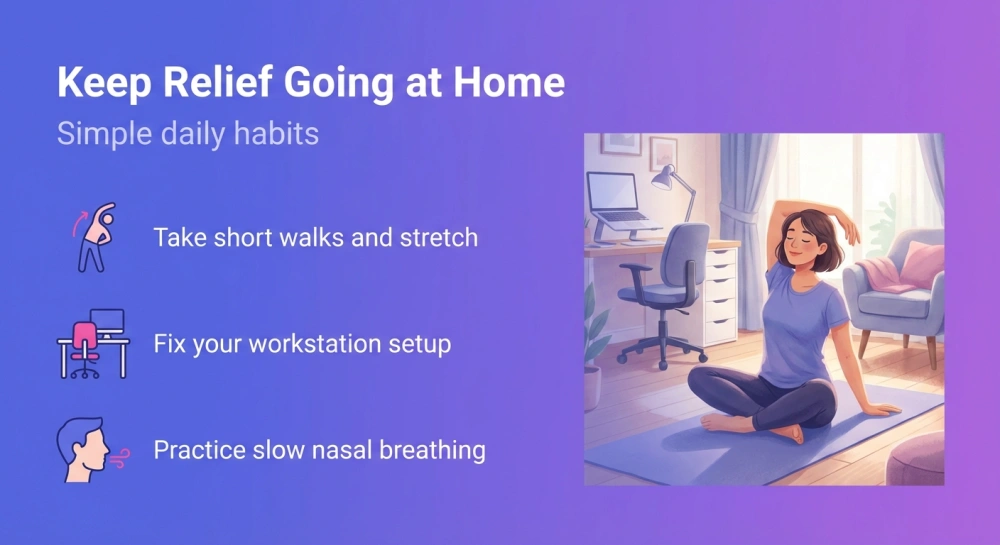
- Move regularly Short walks, gentle spinal mobility, and hip openers can keep tissues supple and reduce stiffness throughout the day [6].
- Refresh your workstation Keep screens at eye level, elbows near your sides, and feet supported to reduce neck and low back strain [11].
- Practice slow breathing Five minutes of slow, quiet nasal breathing can ease tension and complement stress management strategies [5].
- Elevate legs briefly after long standing Resting with legs supported above heart level for short periods may help with temporary swelling and comfort [8].
- Sleep smart A supportive mattress and pillow alignment can make zero gravity benefits last longer into the next day.
Should you use heat or cold between visits?
Many people find gentle heat relaxing for muscle tightness, while a brief cool pack may help with a mild flare after activity. Use a barrier between skin and any pack, and limit application to short intervals. If symptoms persist or worsen, check in with your provider.
Why choose OneAndOnlyChiro in Santa Ana for zero gravity massage and chiropractic care?
At OneAndOnlyChiro, we believe that comfort, clarity, and collaboration help you get the most from each visit. Our wellness clinic in Santa Ana, CA offers zero gravity massage as a supportive option for back pain relief, neck and shoulder tension, stress reduction, and general recovery. Here is how we make your experience thoughtful and personalized from start to finish.
How do our services guide your next best step with confidence?
- Personalized planning We begin with a brief intake focused on your goals, comfort preferences, and any clinical considerations, then we tailor session settings and follow up care accordingly.
- Clear education We explain what to expect, how to position comfortably, and how to monitor your body during and after the session so you feel in control throughout your care.
Where do we operate and who do we serve in Orange County?
We serve individuals and families in Santa Ana and surrounding Orange County communities. Whether you search for a Santa Ana chiropractor or a wellness clinic that blends therapeutic massage with chiropractic care, our team is ready to help you explore safe, evidence informed options that fit your life.
What is our approach to integrating massage chair therapy and chiropractic care?
- Evidence informed integration We align with leading guidelines for low back pain that support noninvasive care and patient choice while we individualize your plan [3][6].
- Stepwise progression We start conservatively, reassess regularly, and adjust intensity, frequency, and techniques based on what you report and what we observe.
- Functional outcomes We track how you sleep, sit, walk, and work, not just how you feel on the table or in the chair.
Do we use any distinctive tools or processes to enhance comfort?
- Precision chair programming Our massage chair therapy options allow fine control of pressure, speed, and sequence so you can hover at the sweetest spot between relief and relaxation.
- Breath guided relaxation We pair sessions with brief breathing cues to help settle the nervous system for a deeper reset.
- Post session coaching We offer simple, customized tips you can apply the same day to keep benefits rolling forward.
What leadership and experience do we bring to your care?
- Seasoned clinical team Our clinicians bring years of combined experience serving people with back pain, posture related fatigue, and neck and shoulder tightness across Orange County.
- Collaborative network When needed, we coordinate with your broader care team to keep your plan coherent and efficient.
Can we share examples of how people have used this service successfully?
While every person is different, we often see individuals who arrive with desk related back tightness use a short series of zero gravity massage sessions alongside targeted mobility and chiropractic care to feel more at ease during the workday. Others with chronic tension appreciate a steadier cadence of sessions paired with simple home practices. We celebrate progress at your pace and adjust your plan respectfully.
How can you book your escape from back pain now?
If you are ready to experience zero gravity massage in Santa Ana, CA, call us at (949) 800 8525 to schedule. We offer convenient appointment times and can help you decide whether a focused chair session, a combined visit with chiropractic care, or a follow up plan is the right next move for you. Your comfort matters, and we are here to help you take the first step today.
References
- Investigation of Human Neutral Body Posture in Microgravity – NASA Technical Reports Server
- Lumbar intradiscal pressure measurements related to posture and loading – PubMed
- Massage Therapy What You Need To Know – National Center for Complementary and Integrative Health
- Massage for low back pain – Cochrane Library
- Coping with Stress – Centers for Disease Control and Prevention
- Noninvasive Nonpharmacological Treatment for Chronic Pain – Agency for Healthcare Research and Quality
- A randomized trial of massage for chronic low back pain – PubMed
- Oedema Swelling – NHS
- Scope of Practice – California Board of Chiropractic Examiners
- About CAMTC – California Massage Therapy Council
- Ergonomics and Musculoskeletal Disorders – National Institute for Occupational Safety and Health
- Low Back Pain Fact Sheet – National Institute of Neurological Disorders and Stroke
- Musculoskeletal Conditions Fact Sheet – World Health Organization
- Google Scholar – Scholarly Literature Search
About the Author