(MRT) Muscle Release Technique
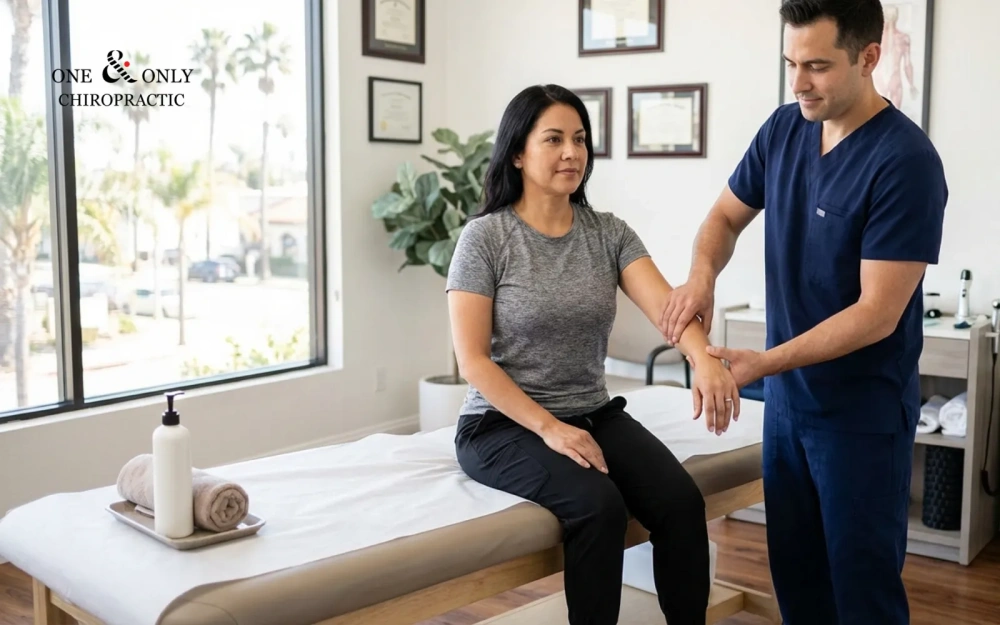
- What is Muscle Release Technique and how does it work?
- Who can benefit from MRT in Santa Ana, CA?
- Which conditions and symptoms can MRT address?
- How does MRT compare with myofascial release and other soft tissue care?
- What should you expect during your first visit and initial MRT session?
- How does MRT support athletes and active adults seeking sports chiropractic?
- What does current research say about soft tissue release outcomes?
- How do we personalize your evidence based chiropractic care plan?
- What are the risks, contraindications, and safety considerations?
- How is chiropractic care regulated in California and what does that mean for you?
- How do fees, insurance, and paperwork work for chiropractic soft tissue therapy in Santa Ana?
- How can you prepare for your appointment and support recovery at home?
- Why choose OneAndOnlyChiro for MRT in Santa Ana?
- What frequently asked questions do people have about MRT and chiropractic in Santa Ana?
- Who is OneAndOnlyChiro and how do we deliver MRT in Santa Ana?
- Where can you find the sources cited on this page?
What is Muscle Release Technique and how does it work?
Muscle Release Technique, often shortened to MRT, is a hands on approach that blends gentle pressure with guided movement to help reduce tension in soft tissues. In practice, a chiropractor or trained provider locates areas of tightness or tenderness, then applies targeted manual therapy while you actively or passively move through a pain free range. The goal is to address adhesions and scar tissue within muscles, fascia, and connective tissues, while promoting circulation and mobility restoration.
Although different clinics teach MRT with varying protocols, the method is closely related to myofascial release and other forms of soft tissue release. These approaches have been studied for common musculoskeletal complaints, such as low back and neck pain, and can be used as part of a broader plan that may include spinal manipulation, exercise, and self management strategies [1] [2] [3]. By combining manual therapy with movement, the technique supports neuromuscular retraining, which can help you use the restored range during daily activity and sport.
Soft tissue methods like massage have been explored for comfort, function, and well being in a range of settings. When selected appropriately and delivered by trained professionals, they may offer short term relief, complement active care, and support your ability to participate in rehabilitation [9]. MRT fits within this broader family of hands on approaches and is tailored to your tolerance and goals.
We focus on education throughout care. You will learn how and why an area became irritated, what movements may help, and how to pace activity while symptoms calm. For many people, especially those with desk jobs, manual labor, or repetitive sports, a short series of sessions paired with a simple home plan provides a practical way to reduce sensitivity and improve function.
Who can benefit from MRT in Santa Ana, CA?
MRT therapy can be a good fit for a wide range of people when used by a licensed professional within a clear care plan. People who may benefit include those with muscle tightness after an injury, stiffness from prolonged sitting or repetitive work, and athletes looking for recovery between training sessions. It can also support older adults who want comfortable mobility for daily tasks.
Many patients seek chiropractic soft tissue therapy to complement spinal manipulation and exercise therapy. Clinical guidelines for spine pain encourage noninvasive care pathways that include manual therapy, massage options, movement based rehab, and patient education tailored to your symptoms and goals [1] [2]. If you are looking for Muscle Release Technique, Santa Ana has local access at our clinic for personalized sessions that fit your schedule and current activity level.
During your consultation, we listen to your story, assess movement, and discuss realistic timelines. We will tell you when MRT is likely to help and when another approach or referral is more appropriate. If you have complex medical needs, we can coordinate with your medical team to keep your plan safe and focused.
People with physically demanding jobs, caregivers who lift frequently, and students or professionals who spend long periods at a computer often appreciate the combination of hands on care and movement coaching. If you are unsure whether MRT fits your situation, a brief conversation can clarify next steps and whether a different service would be a better starting point [2].
Which conditions and symptoms can MRT address?
MRT does not treat disease in a medical sense. Instead, it aims to reduce soft tissue restrictions and discomfort that often accompany common musculoskeletal issues. It is frequently used for symptoms such as localized muscle tightness, tender trigger points, mild strains, overuse soreness, or stiffness after a period of decreased activity.
Examples of situations where MRT may be included in a plan of care:
- Work related tightness: Desk based neck and shoulder tightness, or lower back stiffness related to prolonged sitting or screen time [2].
- Repetitive strain concerns: Forearm and wrist soreness for workers or hobbyists who perform repeated gripping or typing tasks [1].
- Post activity soreness: Calf, hamstring, or hip discomfort after running, hiking, cycling, or strength sessions when tissues feel tight but not acutely injured [10].
- Neck and back flare ups: Soft tissue tenderness that accompanies mechanical neck pain or nonspecific low back pain where guidelines support manual therapy as part of a program with movement and education [1] [7].
- Scar tissue concerns: Gentle techniques around well healed surgical scars to help improve glide and comfort, only after clearance from your surgeon or primary clinician [3].
Your plan may include MRT alongside guided home exercise to reinforce mobility and strength. Because low back pain is extremely common across the lifespan, thoughtful noninvasive strategies like these are often recommended as first line care for many uncomplicated cases [11] [1].
Trigger point sensitivity and myofascial restriction can contribute to perceived tightness and reduced range of motion. Identifying and addressing these tender areas with tolerable pressure, then immediately using the new range through gentle movement, can help consolidate changes and improve daily function [8].
How does MRT compare with myofascial release and other soft tissue care?
Many soft tissue methods share similar goals. MRT typically uses precise tension combined with motion through specific ranges. Myofascial release emphasizes gentle, sustained pressure through the fascial layers. Trigger point therapy targets tender nodules within a taut muscle band that can refer pain to predictable patterns [3] [8]. Instrument assisted soft tissue mobilization uses specially shaped tools to apply controlled shear forces across the skin and underlying tissues [12].
No single technique is best for every person. Evidence suggests that for many musculoskeletal complaints, combining soft tissue release with exercise and education can be helpful. The choice of approach depends on your goals, the irritability of your symptoms, and your comfort with different options. We keep pressure tolerable and adjust based on your response during and after sessions.
When people search for a Santa Ana chiropractor, they often want to know whether soft tissue work will be included along with joint care. At our clinic, the answer is yes when it serves your goals. We select techniques to match the stage of your condition, from calm recovery to higher load performance demands.
Patient preference matters. Some people prefer lighter pressure and longer holds, while others respond better to brief, targeted contact with movement. We explain the options, check your tolerance, and choose the method that makes the most sense for your goals and timeline [2].
What should you expect during your first visit and initial MRT session?
Your first visit begins with a friendly conversation about your history, daily activities, work demands, and health goals. We ask what makes symptoms better or worse, and what you have already tried. Then, we perform a focused exam to check motion, strength, and tolerance to specific movements.
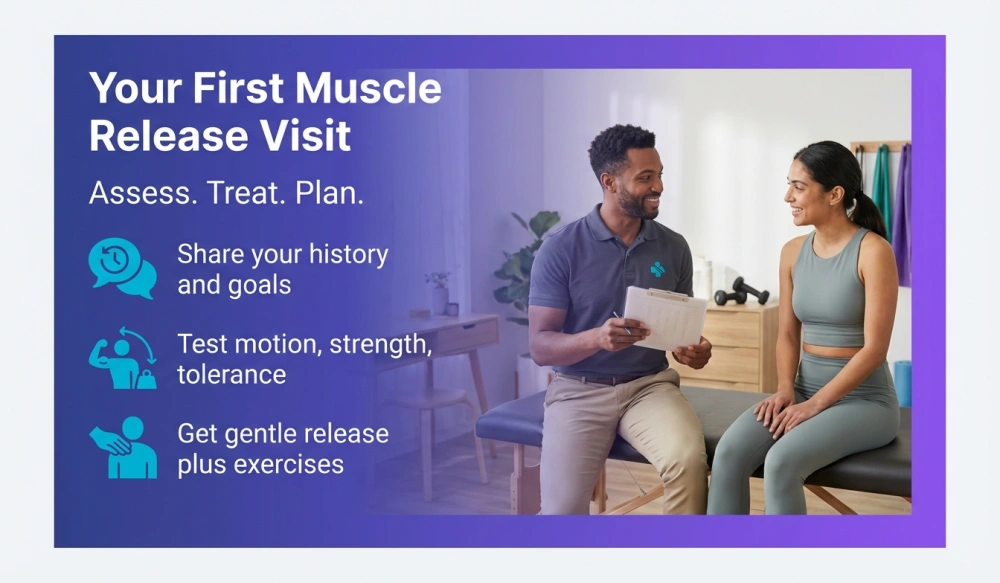
How do assessment and goal setting guide the plan?
We clarify whether your presentation is appropriate for conservative chiropractic soft tissue therapy, or whether another referral is indicated. When MRT is a good fit, we set clear goals such as returning to comfortable desk work, finishing a round of golf without next day stiffness, or running a set distance without a flare up.
What happens during the session itself?
We identify restricted areas and apply gentle to moderate pressure while you move through comfortable ranges. You remain in control of the intensity and can pause at any time. We often combine MRT with simple mobility drills or activation exercises so that you immediately use the improved range.
How will you feel afterward?
Most people feel lighter and more mobile, with temporary mild soreness similar to a workout response. We encourage hydration, light activity, and awareness of posture and pacing. If your tissues are sensitive, we start with shorter sessions and lighter pressure. The number of visits depends on your goals and how your body responds.
How do scheduling and session length adapt to your needs?
Most initial appointments include time for assessment and treatment in the same visit. Follow up sessions are scheduled based on your response, your availability, and your goals. We adjust the duration and frequency so that your plan is realistic and sustainable over time.
How does MRT support athletes and active adults seeking sports chiropractic?
Athletes and active adults use MRT to address soft tissue tightness between training sessions, recover from minor strains, and maintain joint motion. In sports chiropractic settings, soft tissue care is often paired with mobility drills, strength progressions, and load management to align with your training calendar. Evidence shows that various forms of myofascial techniques, including self applied methods like foam rolling, can improve short term range of motion without compromising performance in many cases [10].
For runners, cyclists, lifters, and field sport athletes, MRT can be placed before a key training block to restore movement, or after intense sessions to help reduce feelings of stiffness. We can also coordinate with your coach or physical therapist to support safe return to sport. If you need targeted care for Orange County CA events, such as local races, tournaments, or community leagues, we can tailor scheduling and home plans to fit your season.
Practical timing helps. Many athletes prefer lighter soft tissue sessions closer to competition and more focused work earlier in the training week. We adjust intensity, body regions, and home drills to respect recovery windows and your overall load plan [10].
What does current research say about soft tissue release outcomes?
Research on soft tissue methods is growing and shows potential benefits for pain relief, mobility, and function when used as part of a comprehensive plan. Clinical guidelines for low back pain support noninvasive care that can include massage, manual therapy, exercise, and spinal manipulation, while emphasizing patient education and activity as tolerated [1] [2]. Reviews of myofascial release suggest improvements in pain and function for some chronic musculoskeletal conditions, though study quality varies and results are not uniform for all populations [3].
For neck pain, guidelines recommend manual therapy and exercise as part of a multimodal approach that addresses mobility, strength, and endurance [7]. In sports and fitness research, foam rolling and related techniques show short term gains in flexibility and perceived recovery, which can complement hands on care when appropriate [10]. Instrument assisted soft tissue mobilization also has evidence indicating potential improvements in range of motion and patient reported outcomes for certain conditions, with more high quality trials still needed [12].
Low back pain is highly prevalent across the lifespan and often recurs, which is why conservative approaches that combine education, movement, and appropriately selected manual therapy are emphasized in modern guidelines [11] [1]. Overall, the literature supports using soft tissue release as one piece of a larger plan that includes movement, education, and self management. That is the approach we take so that techniques in the clinic translate to better comfort and function in your daily life.
How do we personalize your evidence based chiropractic care plan?
Personalization begins with your goals, daily demands, and preferences. We build a plan that may include MRT, spinal joint care, specific exercise progressions, and self care guidance. The intensity and frequency of sessions depend on your symptom irritability and your schedule. We prioritize the minimum effective dose and clear milestones, so you know why you are coming and what progress looks like.
We track response within sessions and between visits. If a technique does not help, we change course. If you prefer gentle care, we honor that. If you are preparing for a competition, we tailor the schedule for recovery and performance. Education is always included, so you understand what to do at home and how to adjust activity if symptoms change.
- Clear goals: We define outcomes that matter to you, such as sitting for a full work meeting, walking the dog without next day flare, or completing a long ride.
- Progressive loading: We teach movement and strength progressions that respect healing timelines and support durable results [1] [7].
- Self management: We equip you with simple strategies to maintain gains between visits, so you rely less on the clinic over time [2].
Communication is ongoing. We review your progress, sleep, and activity demands, then adjust visit spacing and your home plan accordingly. This keeps care efficient and aligned with your life.
What are the risks, contraindications, and safety considerations?
When provided by licensed professionals, soft tissue techniques are generally considered low risk. Mild, temporary soreness or fatigue can occur, especially if pressure was firm. We adjust pressure and duration to your tolerance and avoid areas that are inflamed or not yet healed enough for manual care. You should always tell your provider about medical conditions, medications, and recent procedures, so we can keep your plan safe.
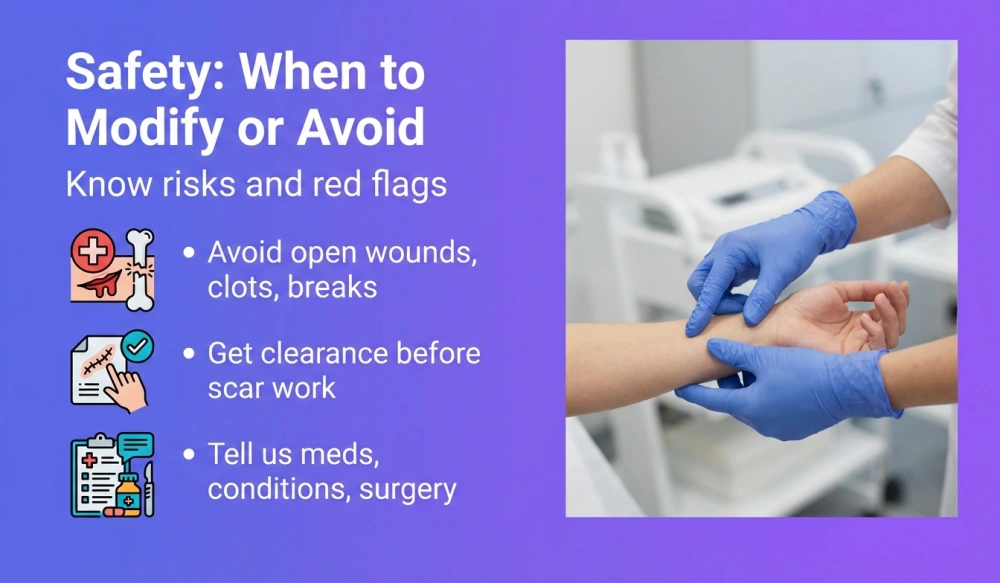
We avoid or modify MRT in specific situations, such as open wounds, active infection, areas with impaired sensation, unhealed fractures, or acute deep vein thrombosis. For postsurgical patients, we require clearance before working near the surgical site. People with certain medical conditions may need additional precautions with hands on care, which we discuss before beginning treatment [9]. For spine related care, we follow evidence based pathways that prioritize safety, communication, and gradual progression [1] [2]. If privacy or health information is shared, it is protected according to federal regulations outlined by the United States Department of Health and Human Services [4].
How is chiropractic care regulated in California and what does that mean for you?
In California, chiropractic is regulated by the California Board of Chiropractic Examiners, a board within the Department of Consumer Affairs. The Board licenses and oversees doctors of chiropractic and enforces laws and regulations that govern professional conduct and scope of practice [5]. You can verify a California chiropractic license and see a provider’s standing using the Department of Consumer Affairs license search tool [6].
Scope and standards define what services chiropractors may offer, how they must document care, and how they protect patient safety. For you as a patient, this means your chiropractor has met education, exam, and licensing requirements, and must follow state rules regarding patient records, informed consent, and ethical practice. If you have questions about scope, privacy, or how your information is handled, please let us know so we can walk through the details with you.
How do fees, insurance, and paperwork work for chiropractic soft tissue therapy in Santa Ana?
Costs depend on the type of evaluation, and the length and complexity of follow up sessions. We will provide a clear estimate before care begins. Some people choose to self pay to keep scheduling flexible, while others use insurance benefits when available. We are happy to explain superbills, documentation, and the questions you can ask your insurer about coverage for chiropractic evaluation, manual therapy, and related services.
If you are using a Health Savings Account or Flexible Spending Account, we can provide receipts suitable for reimbursement. Please bring any referral notes, imaging reports, or prior treatment summaries you would like us to review. Clear paperwork upfront helps us focus on your care and your goals during the visit.
- Ask about benefits: Confirm whether chiropractic evaluation and manual therapy are covered and whether a referral is required.
- Check deductibles and copays: Clarify your financial responsibility for each visit.
- Confirm visit limits: Ask if your plan has annual visit caps or medical necessity requirements.
How can you prepare for your appointment and support recovery at home?
Preparation is simple. Wear comfortable clothing that allows movement and access to the area being treated. Arrive a few minutes early to complete forms or update your health information. Think about your goals, such as sitting comfortably through meetings, lifting your child without a flare, or finishing a local race without next day stiffness.
- Stay engaged: We will ask you how each technique feels and adjust pressure so it stays comfortable and effective.
- Move gently afterward: Light walking and simple mobility drills help your body use the changes from the session [1] [2].
- Hydrate and rest: Adequate fluids and sleep support tissue recovery.
- Do your home plan: Short daily exercises maintain gains and reduce the chance of recurrence [7].
Consistency matters. Small, repeated steps at home often provide more lasting benefit than occasional long sessions. If your schedule is busy, we will keep your home plan short and focused on the highest yield actions.
Why choose OneAndOnlyChiro for MRT in Santa Ana?
People choose us for collaborative care that respects your time and your goals. We provide Muscle Release Technique in Santa Ana with clear explanations and practical education, so you leave each visit knowing what to do next. Our approach combines manual therapy, movement training, and patient centered planning, so you can get back to what matters most.
We serve individuals and families across Santa Ana and surrounding Orange County CA communities. Whether you are returning to work after a strain, building confidence after a long season of soreness, or preparing for a race, we tailor your plan so it fits your life, not the other way around.
Care does not end when the session ends. We provide a simple trackable plan, check in on what is working, and modify the approach as you progress. You always have a clear next step.
Who is OneAndOnlyChiro and how do we deliver MRT in Santa Ana?
OneAndOnlyChiro is a wellness and injury clinic serving Santa Ana and nearby Orange County CA communities. Our team provides personalized, evidence based chiropractic care for patients of all ages, from active youth and working professionals to prenatal patients, older adults, and post surgical clients with appropriate medical clearance. We focus on mobility restoration, pain relief, and education, so you can move with confidence in daily life and sport.
Our approach to MRT is simple and practical. We begin with a careful history and movement assessment, then target soft tissue release where it is most likely to help. We integrate joint care and exercise when appropriate to reinforce gains, and we build a plan that fits your schedule. Expect clear explanations, collaborative goal setting, and a supportive environment that respects your preferences.
- How our services relate to your needs: We use MRT to ease soft tissue restrictions, then pair it with movement strategies so you can apply the change during work and training.
- Where we operate: We serve Santa Ana and the greater Orange County CA region with convenient scheduling and accessible parking.
- Our methodology: We combine manual therapy, movement training, and patient education into phased plans that evolve with your progress [1] [7].
- Tools and processes: We use a combination of clinician guided soft tissue techniques, focused exercise progressions, and simple tracking methods, so you can see your progress over time.
- Leadership and experience: Our clinicians draw on years of combined practice in sports chiropractic, spine care, and rehabilitation to deliver thoughtful, individualized care supported by research [1] [2] [7].
- Personalized service: You will work directly with qualified professionals who listen, explain, and adjust care based on your feedback each visit.
- Track record: Patients commonly report improved comfort and function for everyday tasks, work demands, and athletic pursuits when soft tissue care is combined with movement and self management strategies [1] [10].
If you are ready to explore MRT therapy or have questions about how it might fit your situation, call us at (949) 800 8525. We are happy to discuss options and help you choose the next step that aligns with your goals and schedule.
Where can you find the sources cited on this page?
- Noninvasive Treatments for Acute Subacute and Chronic Low Back Pain Clinical Practice Guideline American College of Physicians
- Spinal Manipulation What You Need To Know National Center for Complementary and Integrative Health
- Myofascial release for chronic musculoskeletal pain a systematic review PubMed
- Summary of the HIPAA Privacy Rule United States Department of Health and Human Services
- California Board of Chiropractic Examiners Department of Consumer Affairs
- License Search California Department of Consumer Affairs
- Neck Pain Revision Clinical Practice Guidelines Journal of Orthopaedic and Sports Physical Therapy
- Trigger Points Diagnosis and Management American Academy of Family Physicians
- Massage Therapy What You Need To Know National Center for Complementary and Integrative Health
- Foam Rolling for Performance and Recovery a Systematic Review International Journal of Sports Physical Therapy
- Low Back Pain Fact Sheet National Institute of Neurological Disorders and Stroke
- Efficacy of Instrument Assisted Soft Tissue Mobilization a Systematic Review Journal of the Canadian Chiropractic Association